
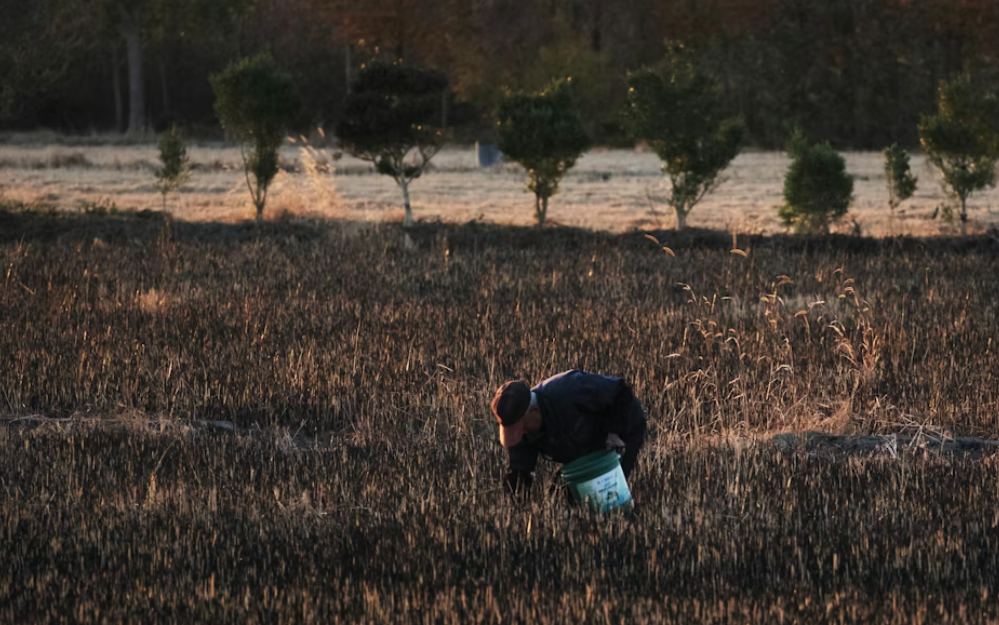
Improving farm efficiency is essential for maintaining profitability, managing resources responsibly, and reducing physical and financial strain. Modern farming requires more than hard work; it demands systems that support consistent performance, minimize waste, and adapt to changing conditions. Strategic infrastructure investments, including a vertical water tank and durable metal buildings, play a significant role in streamlining operations and creating a more efficient agricultural environment.
Optimizing Daily Farm Operations
Efficiency on a farm begins with how tasks are organized and executed. Poor layout, inconsistent access to resources, and scattered storage increase time and labor requirements. By refining workflows and aligning equipment, water access, and storage with daily routines, farmers can reduce unnecessary movement and delays. Well-structured operations allow work to progress smoothly, even during peak seasons.
Improving Water Management With a Vertical Water Tank
Water availability directly influences productivity in both crop and livestock operations. A vertical water tank provides a space-efficient solution for storing large volumes of water while maintaining consistent pressure and accessibility. Its upright design makes it suitable for farms where land optimization is important or where centralized water storage improves distribution.
A vertical water tank helps farmers prepare for dry periods, manage irrigation more effectively, and ensure livestock always have access to clean water. Reliable storage reduces dependence on external supply and limits downtime caused by shortages. By stabilizing water access, farms operate more predictably and efficiently throughout the year.
Enhancing Organization and Protection Through Metal Buildings
Efficient farms are organized farms. Metal buildings offer durable, low-maintenance structures for storing machinery, feed, tools, and harvested produce. Their resistance to weather, pests, and fire reduces asset damage and ongoing repair demands, allowing farmers to focus on production rather than maintenance.
Metal buildings improve efficiency by keeping essential equipment protected and easily accessible. Reduced exposure extends machinery lifespan and minimizes breakdowns, which in turn lowers downtime during critical working periods. A well-designed metal building supports faster task execution and better overall farm management.
Reducing Labor and Energy Waste
Unnecessary handling, repeated transport, and poorly placed resources consume both time and energy. Positioning a vertical water tank near high-demand areas and locating metal buildings close to primary work zones significantly reduces physical effort and fuel use. These layout improvements translate into faster completion of daily tasks and lower operating costs.
By minimizing wasted movement, farmers conserve labor capacity and reduce fatigue, which directly improves decision-making and productivity over long working hours.
Lowering Maintenance and Long-Term Costs
Efficiency is also measured by how often systems fail or require repair. Vertical water tanks are designed for long-term durability and minimal upkeep, while metal buildings offer extended service life compared to traditional structures. Fewer repairs mean less disruption and more predictable scheduling.
Long-term cost control improves when infrastructure investments are chosen for reliability rather than short-term savings. Durable systems support consistent output and reduce unexpected expenses that can disrupt farm operations.
Supporting Scalable and Sustainable Growth
As farms grow or diversify, efficiency depends on how easily infrastructure can adapt. Metal buildings can be expanded or repurposed, while vertical water tanks can be integrated into larger water management systems. This flexibility allows farms to scale without major operational disruption.
Efficient water use and durable structures also support sustainability goals by reducing waste, conserving resources, and improving resilience to environmental pressures.