
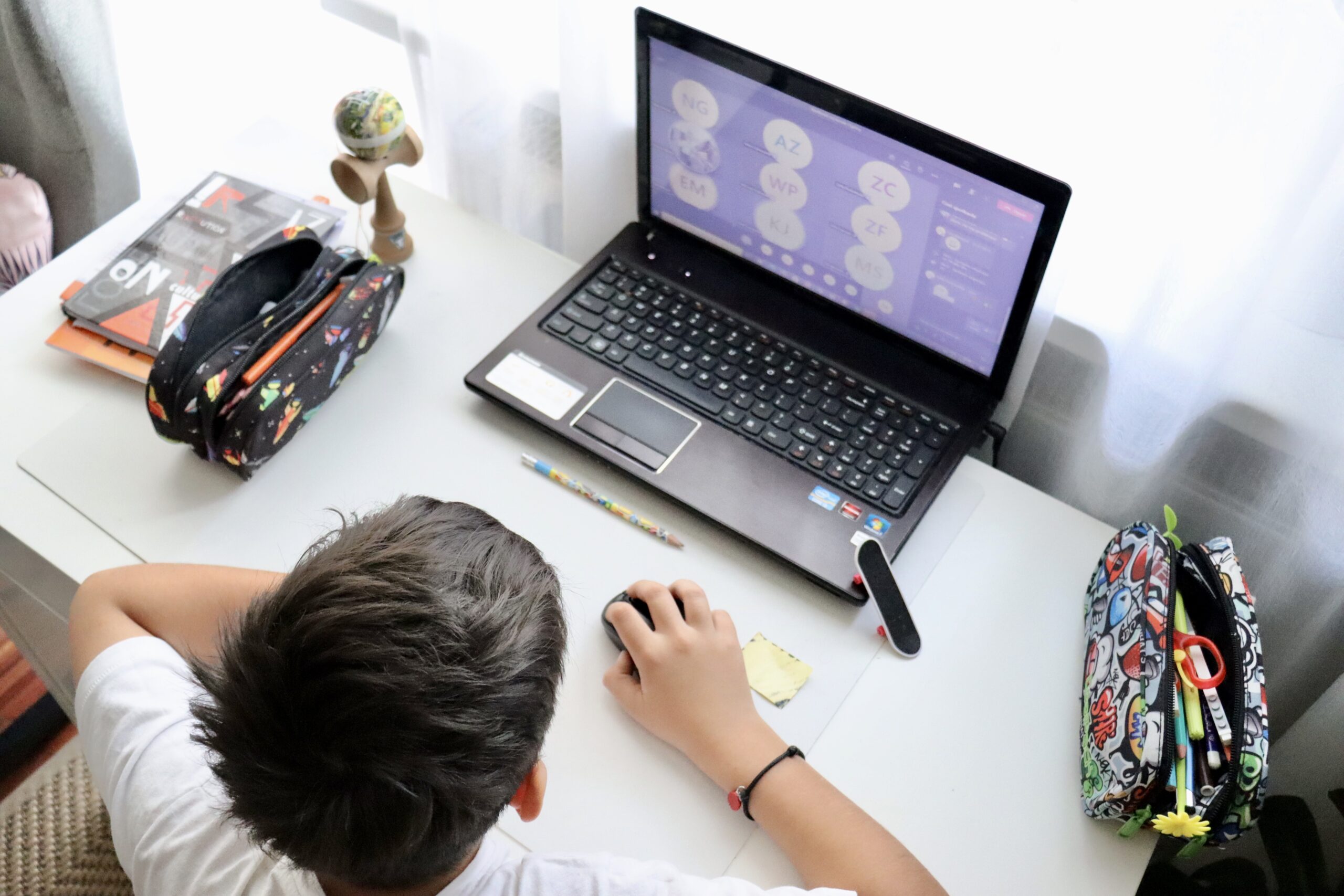
Avoiding the Mistakes of Digital Learning
Digital learning is an excellent teaching instrument. It has helped students engage more in their learning, both in and outside of the school. Universities and schools have adopted digital learning as an integral component of their instruction strategies.
For students attending K-12 schools, it isn’t easy to find a classroom that does not have a computer lab, packed with learning software for all areas of the curriculum.
At both the secondary and university levels, students can take advantage of classes offered in-person, online, or through blended learning that integrates in-person and online learning. In their enthusiasm, teachers have made mistakes that can be avoided by a cautious and rational method.
It is important to think things through carefully.
Educators are always looking for ways to help them make their teaching more efficient. As digital learning began to be introduced, it was natural to be thrilled about a new technology that could allow students to be more active as they practice their skills on their own and give instant and automated feedback on their mastery. Additionally, the particular nature of assessments allowed teachers to identify areas of mastery and offer additional instruction for students who were struggling.
This was a major improvement over the traditional approaches. To meet this enthusiasm of educators, textbooks and educational software firms began to develop complete curricular products in nearly every subject, and attempted to market them as complete programs to school districts and schools. They were enticed by the offer.
Schools have sunk thousands and thousands of dollars into buying huge software and online courses to use in classrooms. What they were not aware of was that these comprehensive programs did not meet the needs of the different learning styles of students, and therefore were not an appropriate “fit” with certain sections of their student population.
What they were not aware of was that, without adequate training and support for teachers, they would remain unnoticed in the classroom computers, with teachers’ “buy-in.” Take a look at this publication on the costs of digital education that accurately describes the total estimated expenses for the year 2012. Schools are learning from the mistakes they made. Similar to any educational materials, there needs to be a procedure that allows teachers to be exposed to the course/software and to be able to evaluate their effectiveness.
Assuring access for students.
Within the school, every student has access to the online environment as well as the interactive learning opportunities that websites and software provide. Many of the same students have access to these online environments at home, too, using portals offered by their respective schools. Therareis still many students who do not have access to these outside-of-class or online environments due to or lack of devices at home or in rural areas where access isn’t available.
Teachers must be able to accommodate these differences by ensuring the students have other educational resources that let them practice their skills and consolidate concepts. Also, providing them with the opportunity to conduct research during the school day or allowing them to print out materials for home use is vital.
Maintaining the teacher-student relationship
Computer-assisted instruction and practice definitely can relieve teachers of some of the traditional classroom responsibilities. It is easy to be an inactive supervisor instead of someone who stays personally engaged as students participate in activities of learning.
However, keep in mind that students differ greatly. Teachers should remember that the relationship they show to their pupils is a vital one. Therefore, encouraging and empowering interactions must be maintained. There are instances where nothing is more important than the personal attention given by teachers.
Awareness of the gap in students’ technical capabilities.
Students who are accustomed to technology from a young age are extremely technologically adept; however, those who don’t have technology in their homes aren’t. It is essential for teachers to make sure that each student is equipped with the necessary skills to work with devices and the Internet, and software to get the greatest advantage.
Teachers should not think that they have a level playing field. There is a comprehensive list of computer basics for students to be utilized as a checklist or guidelines.
Security and privacy
In most schools, there are implemented “parental controls” are implemented that stop students from logging onto inappropriate websites, but they aren’t 100% secure, a nd children could fall into “click-wrap” contracts that contain costs or require submission of personal dataConstantnt monitoring of teachers in classrooms with minor students is essential.
Teachers should never be seated at a desk occupied with some other activity while students are working at their computers.
Failure to assess and judge the effectiveness of courses or programs
In this day and age of accountability in the delivery of education and student growth, it’s a surprise that periodic and consistent tests of digital learning aren’t more widespread. While numerous studies are available that show good results for learners by using digital learning, they also highlight the importance of interactions with colleagues and teachers, especially when students are in online learning environments.
The studies of individual schools and school districts, with respect to the outcomes of their students based on their own goals for curricular development but aren’t available as no education delivery system can be properly evaluated without this research.
Training Students for a Fully Digital Learning Environment
Online coursework among teenagers and adults has increased dramatically in recent years as traditional and non-traditional students are taking advantage of the flexibility this course offers. These courses are often more challenging instructors need to make sure that students are prepared for any challenges ahead.
- Although interaction with other teachers and students is all the time, it’s less intimate than interaction that occurs in a classroom. Instructors must ensure that there are ample and worthwhile opportunities for student-to-student and student-to-instructor interaction.
- Students who are not skilled and rapid readers will find themselves bogged down in front of their device screens and may need to find ways to enhance their reading/comprehension abilities, though these speed-reading tips might come in handy to them.
- Instructors should dissuade students with sufficient motivation and organization from engaging completely online in their coursework.
The inability to determine the best combination of digital learning outside the classroom and the tools that allow students to communicate with each other and with their teachers.
Summary
While all agree that technology has improved learning experiences for teachers but the shift to digital learning hasn’t always been easy.