
In the digital age, the phrases “broadband” and “Wi-Fi” are often used in everyday conversation. With the country’s growing internet user population, understanding these phrases is more than simply technical knowledge; it is a must. Broadband and Wi-Fi, while sometimes used interchangeably, perform distinct functions in the area of internet communication. We want to clear up any misconceptions by emphasising their vital functions and clarifying key distinctions to assist businesses in making well-informed decisions.
Broadband
Broadband is a speedy internet network that is continuously available. It refers to a variety of technologies that allow a speedy internet network involving fibre optics, DSL, satellite, and cable. In India, a prominent search term is “broadband near me“, which emphasises the requirement for dependable, quick internet networks that permit businesses to function efficiently, utilise cloud services, and interact with partners and clients all over the globe.
Wi-Fi
Wi-Fi is a wireless technology that utilises radio waves to deliver speedy internet and network connections to devices that do not need physical wires. It offers mobility and flexibility, which are vital for contemporary enterprises that depend on laptops, smartphones, and other mobile devices for daily operations.
Being aware of the distinction between Wi-Fi and broadband is crucial for companies that build resilient, scalable, and efficient internet infrastructures. Here are crucial distinctions –
What is the difference between Broadband and Wi-Fi?
Nature of connection
Broadband refers to a high-speed internet connection provided to your home or office through wired or fibre technology. It’s the physical link from your service provider to your location. Wi-Fi, on the other hand, is a technology that allows you to connect devices to the broadband internet wirelessly within a certain range.
Technology used
Broadband encompasses various technologies like DSL (Digital Subscriber Line), fibre optics, or cable to deliver internet connectivity. Wi-Fi operates on IEEE 802.11 standards, which define the protocols for wireless networking.
Speed
Broadband connections can offer speeds ranging from several Mbps (Megabits per second) to several Gbps (Gigabits per second), depending on the technology used. These speeds tend to be higher and more stable. Wi-Fi speeds can vary and are generally lower due to factors like distance from the router, physical obstructions, and other interferences.
Security
A direct broadband connection can be inherently secure, as it is a wired connection. Wi-Fi networks, being wireless, are more susceptible to unauthorised access if not properly secured with strong encryption methods like WPA2 or WPA3.
Range
The broadband connection reaches your premises, but does not inherently provide a signal beyond that. Wi-Fi fills this gap by distributing the internet connection wirelessly within a limited area, typically around 20-30 meters indoors, depending on the router and environment.
Connectivity
To use broadband, devices need to be physically connected via Ethernet cables. Wi-Fi eliminates this need by allowing devices to connect wirelessly, offering more flexibility in device placement and mobility.
Hardware
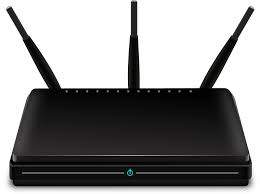
For broadband, the essential hardware might include modems, routers, or fibre optic cables for connection. Wi-Fi setups require a wireless router, and devices need to have wireless adapters (which most modern devices include).
Installation
Installing broadband involves setting up physical infrastructure, which can include laying cables or fibre optics. This might require professional installation. Setting up a Wi-Fi network is comparatively simpler, requiring a wireless router connected to the broadband.
Cost
Broadband costs can vary based on the infrastructure setup and the subscription plan chosen. Wi-Fi incurs additional costs for purchasing routers and, if needed, range extenders or mesh network systems.
Setup time
Broadband setup can be time-consuming, especially if new infrastructure needs to be installed. Wi-Fi setup is relatively quick and easy, particularly if a broadband connection is already in place.
Mobility
Broadband connections are stationary; once installed, the point of access does not move. Wi-Fi provides mobility within the covered area, allowing users to move around with their devices.
Accessibility
Broadband provides a dedicated connection to each device that is physically plugged in. Wi-Fi allows multiple devices to access the internet wirelessly and simultaneously, making it more versatile for device connectivity.
Bandwidth sharing
Broadband’s wired connections share bandwidth based on the infrastructure’s capacity. In Wi-Fi, bandwidth is shared wirelessly among connected devices, which can lead to decreased performance as more devices connect.
Interference
Wired broadband connections are largely unaffected by external factors. Wi-Fi signals can suffer from interference caused by physical barriers like walls, as well as other electronic devices like microwaves.
Data limit
Broadband plans often offer higher data limits, making them suitable for heavy usage. Wi-Fi, especially when derived from mobile hotspots, may have more restrictive data caps.
Reliability
Broadband offers a more stable connection with consistent speeds. Wi-Fi reliability can be compromised by factors like distance from the router and physical obstructions.
Latency
Broadband connections generally provide lower latency, which is the delay before a transfer or transmit of data begins following an instruction for its transfer. This is crucial for applications requiring real-time responses. Wi-Fi can have higher latency, especially with poor signal strength or interference.
Coverage expansion
Expanding broadband coverage typically requires additional wiring. Wi-Fi coverage may be readily expanded with extra hardware such as repeaters, extenders, or mesh network systems, eliminating the need for additional wires.
Technology evolution
Broadband and Wi-Fi are continuously evolving. 5G technologies are ameliorating internet potentials by offering enhanced speed and reduced latency. Likewise, developments in Wi-Fi, such as Wi-Fi 6, enhance wireless internet speed, connection, and efficiency.
Usage situations
Broadband is excellent for applications that require speedy, high-volume data transfers like big file downloads, video streaming, and others. Wi-Fi is best suited for delivering internet accessibility to mobile devices and meeting fundamental wireless connectivity needs.
Ending note
Wi-Fi and broadband offer distinct features of internet accessibility, yet they are complementary. Broadband acts as a solid footing for speedy internet access, while Wi-Fi extends wireless connection, permitting higher mobility and freedom. In the digital era, businesses might leverage both technologies to guarantee not just connection but also the capacity to cooperate, develop, and service consumers successfully. Knowing their distinctions and synergies is imperative for developing a connected, future-ready, and efficient corporate infrastructure.